
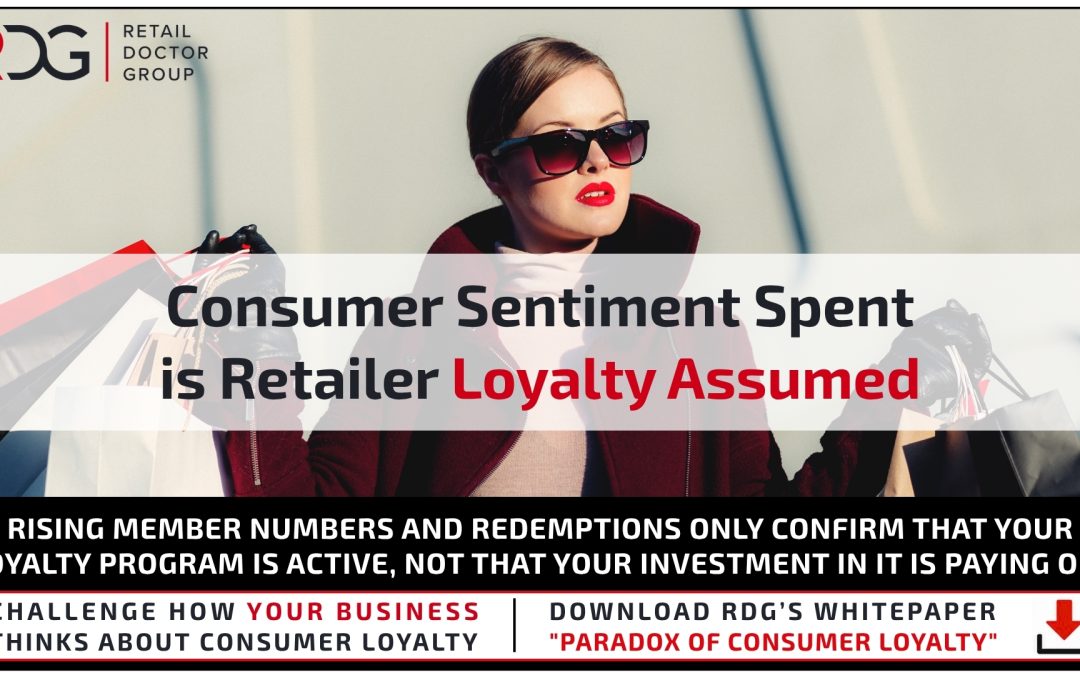
Consumer sentiment looks strong for July, but the numbers behind it are a loyalty test most retailers fail by making assumptions about discretionary spend
Those numbers are not a trend retailers should be investing in.
Key Insights
- July’s growth is broad, but its source won’t repeat into the next quarter.
- The categories leading spend are exactly where brand switching is easiest.
- Windfall money exposes loyalty that’s rented rather than earned.
- Non-discretionary growth reflects price, not persuasion, and needs a different read.
- The retailers who win this cycle are the ones customers choose, not the ones they default to.
Consumer Sentiment Is Up Everywhere
Household spending rose 1.1% in July and 7.0% year-on-year. All nine spending categories grew, every state and territory grew, and services outpaced goods. On the surface, this is the strongest, broadest reading in months.
Broad isn’t the same as durable. Clothing and footwear led the categories at 1.6%, recreation and culture followed at 1.5%. Both are categories where a customer’s next purchase is easy to redirect to a competitor. Growth concentrated there is growth sitting on the least loyal part of the ledger.
The same pattern is showing up inside loyalty programs right now. Member sales, redemptions, and loyalty spend all lift when the market is spending, whether or not the program had anything to do with it.
See the Latest MHSI Data Here
The Growth That Won’t Last Into Next Quarter
July is tax refund season. Money that arrives as a refund gets spent faster and less carefully than money that’s earned, and it lands hardest in exactly the categories leading July’s growth.
That’s a timing effect, not a confidence shift in consumer sentiment. It won’t repeat once refunds stop flowing, and retailers who read it as a demand signal will plan the next quarter against a number that was never going to hold.
A retailer who watched their own loyalty sales climb in July watched the same effect from the inside. The number reads as performance. Most of it is timing.
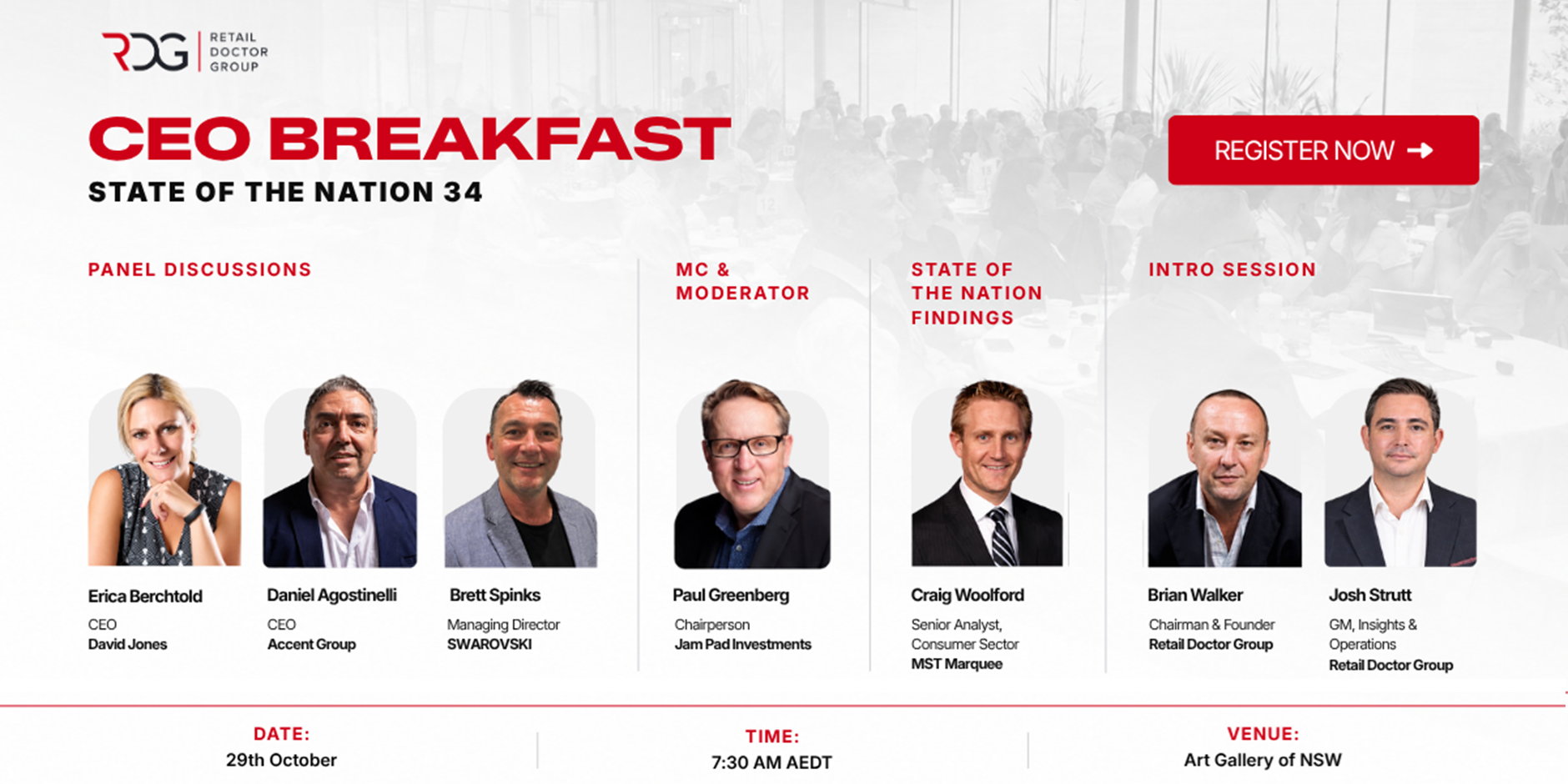
For the boards and CEOs setting loyalty and customer strategy for the year ahead, RDG’s upcoming CEO Breakfast helps retail leaders address the assumption that one strong month confirms strengthening consumer confidence.
Secure Your Seat Now
Windfall Money Is a Loyalty Test
Earned income defaults to habit. A customer under normal budget pressure returns to the retailer they already trust, because switching costs more attention than it’s worth. Refund money removes that discipline. It’s spent looser, faster, and with far less pull toward the default choice.
That’s what makes July revealing rather than reassuring. Every retailer who captured part of this spend may have found out whether their customers stayed because they wanted to, or because leaving was never worth the effort.
Consumer Sentiment Spent is Retailer Loyalty Assumed
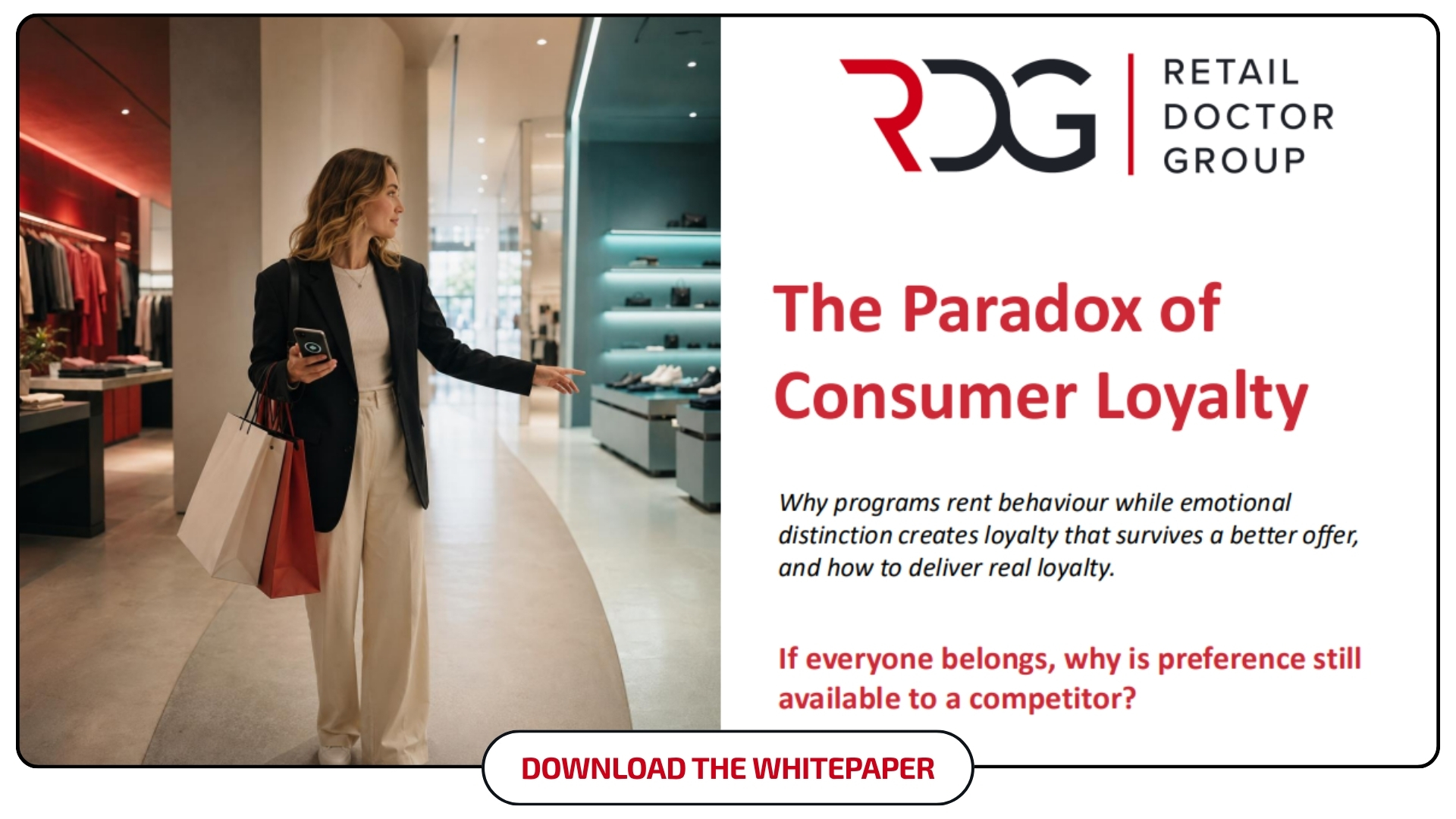
RDG’s Paradox of Loyalty research set out exactly this distinction, between loyalty that’s rented through convenience and loyalty that survives a better offer. A windfall month is the fastest way to see which one a business actually has.
It’s the same question behind RDG’s Return on Loyalty work: rising member numbers and rising redemptions confirm the program is being used, not that the investment behind it is paying off. The return is a separate number, and it can be falling while every surface metric climbs.
Download RDG’s Paradox of Loyalty Whitepaper
What Why We Buy Already Told Us
RDG’s Why We Buy research already mapped what wins discretionary spend when the decision isn’t forced: emotional relevance, not price, earns the purchase. This month’s category mix – clothing, recreation, experience – is precisely where that research said the contest would be won or lost.
Download RDG’s Why We Buy Whitepaper
Why Consumer Sentiment Needs Two Different Reads
Non-discretionary spend grew 1.1% in July, slightly ahead of discretionary’s 1.0%. That’s price on food, health, and running costs, not persuasion, and it doesn’t belong in the same conversation as the categories above it.
Reading both halves of the ledger as one number flattens a distinction that matters: one half of this growth responds to a better brand argument, and the other doesn’t.
It’s the same split RDG’s Return on Loyalty formula draws inside a loyalty program: revenue and reward can both rise while the incremental margin behind them barely moves.
Next Steps for Retail Leaders
Retail leaders don’t need another spending update, they need to know which part of it is durable and which part is on loan:
- Pressure-test loyalty programs against a windfall month, not just a normal one
- Separate categories driven by price from categories driven by preference before treating either as evidence of customer commitment.
Measuring the return, not just the reward, is what tells the difference apart.
Is Your ROL Rising or Falling?
A declining ROL is the clearest signal of the Retail Loyalty Paradox: more members, more rewards, more sales, less return on your loyalty program investment. July’s numbers are exactly the kind of growth that hides the answer.
Find Out Before You Invest Another Dollar!
Ask RDG to put your loyalty program through the Limbic Lens™ to measure your ROL.
Speak with Josh Strutt and our Limbic Insights™ team to get started.
📞 +61 2 9460 2882
✉ businessfitness@retaildoctor.com.au